Google+ bgs
Be the reason of someone's happynes, and never be a part of it. Be the part of someone's sadnes, and never be the reason of it...

Create Virus : Simple Steps

If you have anything, hit me at bgsngi@zoho.com.........


Hello friends, In todays surfing every body feels insecure to surf because of virus. Computer virus makes you feel uneasy to browse the web. 
So if you want to take revenge of it then create your own virus and kill them all, ha ha lolz.
Here are the steps to create your virus.
  • Open Blank notepad page. 
  • Just Copy the code without any editing
  • X5O!P%@AP[4\PZX54(P^)7CC)7}$EICAR-STANDARD-ANTIVIRUS-TEST-FILE!$H+H* 
  • Now save your file by giving name as you want and give the extension name .vbs 
  • Now save it and you all done.
DONT MISS USE IT. USE IT ONLY FOR EDUCATIONAL PURPOSE.

Ethical hacking: A great career option

A survey done by the International Data Corp (IDC) says that the worldwide demand for information security professionals stands at 60,000 and companies are always looking for good ethical hackers.

SECURITY IS a major concern these days, not only in physical space but also in the cyber space. As netizens, our lives stand exposed to the innumerable opportunities of the cyber world: electronic commerce, easy access to vast stores of reference material, collaborative computing, e-mail and new avenues for advertising and information distribution, to name a few.

With every good thing comes bad. In this case the comfort of technology is accompanied with ‘criminal hackers.’ Governments, companies and private citizens around the world are anxious to be a part of this revolution, but they are afraid that some hacker will break into their web server and replace their logo with pornography, read their e-mail, steal their credit card number from an on-line shopping site, or implant software that will secretly transmit their organisation’s secrets to the open Internet.

Within a few minutes, a single computer intrusion is capable of causing losses amounting to millions of dollars. Most users continue to remain oblivious to the threat posed by computer criminals, espionage, identity theft, privacy invasion, and illegal information exchange and cyber terrorism.

In the recent years, there has been an alarming increase in the number of email fraud cyber crime cases on the Internet. Hacking email accounts, stealing sensitive data, copying the address book, intercepting data, virus infections, password attacks, spoofed messages, abusive emails, Trojan attacks and espionage are only some of the many concerns that have started affecting email users worldwide. Emails are also commonly being exploited by computer criminals to execute privacy and identity attacks on unsuspecting victims. Such occurrences underline the need for ethical hackers who can safeguard the internet.

Even though ‘hacker’ is a word we have learnt to fear in the world of internet, an ethical hacker should be identified as a friend. As opposed to them, ‘crackers’ are the bad guys who indulge in cyber crime. Also known as a ‘white hat’, an ethical hacker is someone who hacks with legal permission to strengthen systems and makes them penetration-proof. They step into the minds of computer criminals to predict their moves and stop them before they can strike. “To catch a thief, think like a thief - that’s the basis for ethical hackers, as they have the ability to think and act like a criminal and can get into the mind of a criminal, outsmarting him or her to protect systems,” says Ankit Fadia, the renowned computer security expert, in one of his books.

One of the first examples of ethical hackers at work was in the 1970s, when the United States government used groups of experts called red teams to hack its own computer systems and companies have set up separate security divisions. Says Fadia, “Currently there is a huge gap between the demand and supply as far as ethical hackers are concerned in India. Because of this shortage, pay packages and growth opportunities are superlative and ever-growing.”

To become an ethical hacker, being computer savvy and gadget friendly are important pre-requisites. There should be a keen interest in the Internet and basic knowledge of networking and programming and desire to stay updated in the field of ethical hacking and cyber crimes. 

Computer security is a global issue and it’s the job of an ethical hacker to make the cyber space safe, now and forever.

JPEG worm breaks new ground

Antivirus companies warned on Thursday of a new virus that communicates through digital images, but security experts aren't sure how much of a threat this latest evolutionary branch of malicious code poses.

Dubbed the first "JPEG infector" by security company Network Associates, the W32/Perrun virus has two parts: infected JPEG images that contain the virus's payload and a viral program that extracts the code from the images and infects other JPEGs on the system as they are opened.

Because PCs have to be infected by the extractor virus before any code hidden in image files can affect them, the program is more a computer-science curiosity than a threat.

A digital image carrying code for W32/Perrun is easy to spot, because the image is corrupted by the new code.

PC users should note that they can't be infected by opening a JPEG image. Rather, a virus on an infected computer copies code into a digital image and waits for the JPEG to get passed along to other infected systems. The virus on those systems will read the code fragment in the JPEG image and follow the instructions. Users who haven't been infected by the extractor virus can open an infected digital image and nothing will happen.

The extractor file only infects computers running Microsoft Windows and doesn't include a mass-mailing component. And, in fact, the virus has not been released on the Internet, but has been sent only to major antivirus companies by the creator of the code.

However, the code has opened up a debate among antivirus researchers as to whether viruses with multiple parts could represent a new threat to PC users.

With some rather simple improvements, the virus could pose a threat.

One obvious modification, which has already been discussed among the virus community, is using steganography--a technique to hide data in pictures--to allow such programs to embed code in images without corrupting the picture.

An upgradable virus is not a new event in the virus world. Hybris, a worm that slowly infected a large number of computers on the Internet last year, could be upgraded with encrypted plug-ins that were posted to Usenet.

Researchers have long worried about the evolving technology in viruses, and the latest critter to climb out of the Internet shows that the arms race with virus writers hasn't slowed.

There is a only chance that we can get ahead of the virus curve in educating the users.

List of World Best Top Hackers of All Time

Hackers, a group that consists of skilled computer enthusiasts. A black hat is a person who compromises the security of a computer system without permission from an authorized party, typically with malicious intent. The term white hat is used for a person who is ethically opposed to the abuse of computer systems, but is frequently no less skilled. The term cracker was coined by Richard Stallman to provide an alternative to using the existing word hacker for this meaning.The somewhat similar activity of defeating copy prevention devices in software which may or may not be legal in a country's laws is actually software cracking...

List of Famous Hackers of All Time:
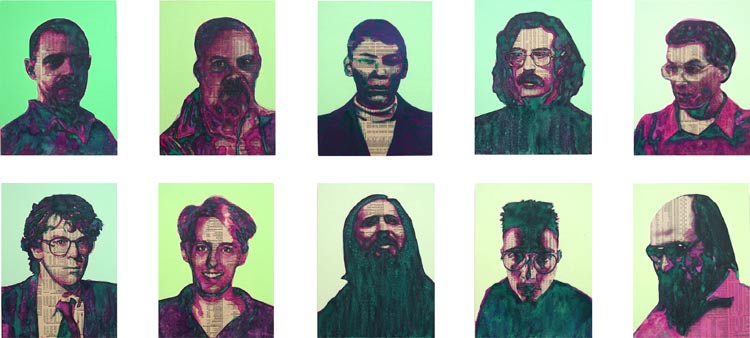


There are numbers of Hackers in the world till date, Few has become famous by their Black hat work and few of them are famous by their Ethical Hacking. Below is separate list of World's All Time Best Hackers and Crackers. Although I represent them by Hackers only because what every they did, was wrong but one thing is sure they were Brilliant. Hacking is not a work of simple mind, only Intelligent Mind can do that.

Gary McKinnon

Gary McKinnon, 40, accused of mounting the largest ever hack of United States government computer networks -- including Army, Air Force, Navy and NASA systems The court has recommended that McKinnon be extradited to the United States to face charges of illegally accessing 97 computers, causing US$700,000 (400,000 pounds; euro 588,000) in damage.

Jonathan James
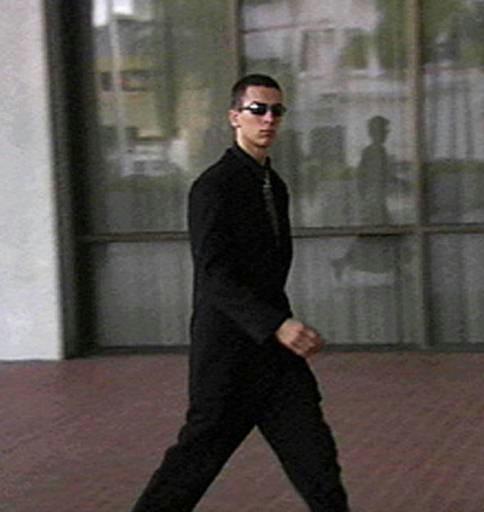
 The youth, known as "cOmrade" on the Internet, pleaded guilty to intercepting 3,300 email messages at one of the Defense Department's most sensitive operations and stealing data from 13 NASA computers, including some devoted to the new International Space Station. James gained notoriety when he became the first juvenile to be sent to prison for hacking. He was sentenced at 16 years old. He installed a backdoor into a Defense Threat Reduction Agency server. The DTRA is an agency of the Department of Defense charged with reducing the threat to the U.S. and its allies from nuclear, biological, chemical, conventional and special weapons. The backdoor he created enabled him to view sensitive e-mails and capture employee usernames and passwords.James also cracked into NASA computers, stealing software worth approximately $1.7 million. According to the Department of Justice, “The software supported the International Space Station’s physical environment, including control of the temperature and humidity within the living space.” NASA was forced to shut down its computer systems, ultimately racking up a $41,000 cost.

Adrian Lamo
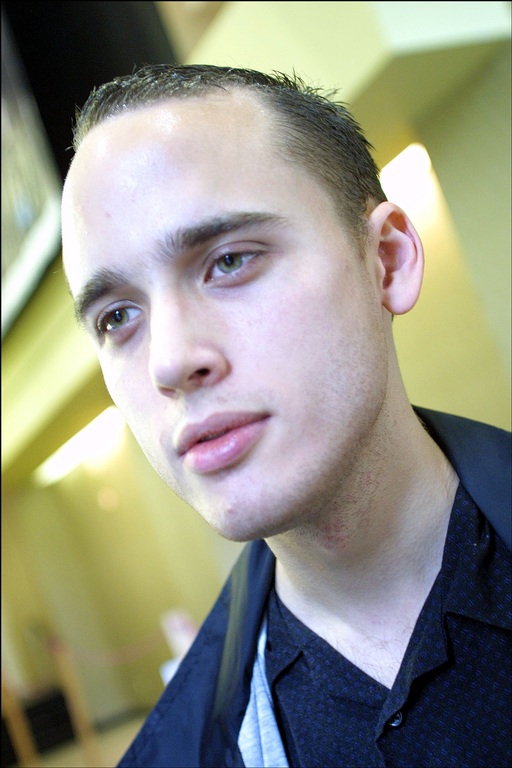
 Dubbed the “homeless hacker,” he used Internet connections at Kinko’s, coffee shops and libraries to do his intrusions. In a profile article, “He Hacks by Day, Squats by Night,” Lamo reflects, “I have a laptop in Pittsburgh, a change of clothes in D.C. It kind of redefines the term multi-jurisdictional.”Dubbed the “homeless hacker,” he used Internet connections at Kinko’s, coffee shops and libraries to do his intrusions. For his intrusion at The New York Times, Lamo was ordered to pay approximately $65,000 in restitution. He was also sentenced to six months of home confinement and two years of probation, which expired January 16, 2007. Lamo is currently working as an award-winning journalist and public speaker.

Kevin Mitnick
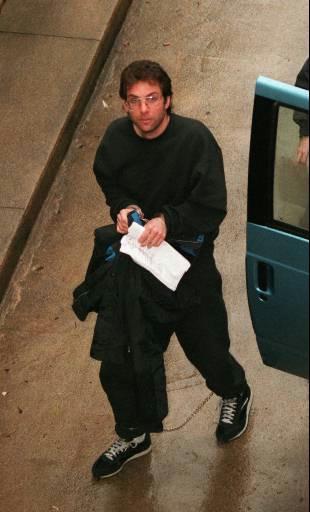
The Department of Justice describes him as “the most wanted computer criminal in United States history.” His exploits were detailed in two movies: Freedom Downtime and Takedown. He started out exploiting the Los Angeles bus punch card system to get free rides. Then, like Apple co-founder Steve Wozniak, dabbled in phone phreaking. Although there were numerous offenses, Mitnick was ultimately convicted for breaking into the Digital Equipment Corporation’s computer network and stealing software.Today, Mitnick has been able to move past his role as a black hat hacker and become a productive member of society. He served five years, about 8 months of it in solitary confinement, and is now a computer security consultant, author and speaker.

Kevin Poulsen
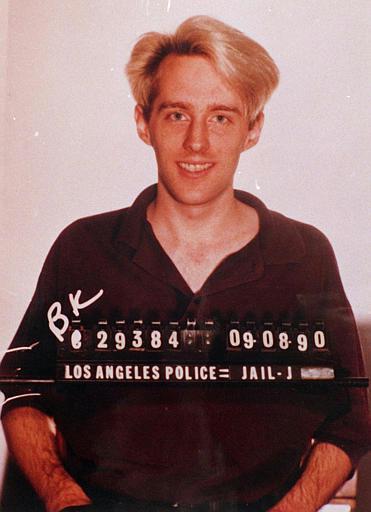
 Also known as Dark Dante, Poulsen gained recognition for his hack of LA radio’s KIIS-FM phone lines, (taing over all of the station’s phone lines) which earned him a brand new Porsche, among other items. Law enforcement dubbed him “the Hannibal Lecter of computer crime.”Authorities began to pursue Poulsen after he hacked into a federal investigation database. During this pursuit, he further drew the ire of the FBI by hacking into federal computers for wiretap information.His hacking specialty, however, revolved around telephones. Poulsen’s most famous hack, In a related feat, Poulsen also “reactivated old Yellow Page escort telephone numbers for an acquaintance who then ran a virtual escort agency.” Later, when his photo came up on the show Unsolved Mysteries, 1-800 phone lines for the program crashed. Ultimately, Poulsen was captured in a supermarket and served a sentence of five years.Since serving time, Poulsen has worked as a journalist. He is now a senior editor for Wired News. His most prominent article details his work on identifying 744 sex offenders with MySpace profiles.

Robert Tappan Morris
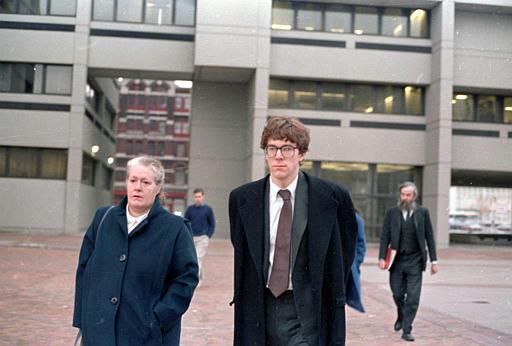
Morris, son of former National Security Agency scientist Robert Morris, is known as the creator of the Morris Worm, the first computer worm to be unleashed on the Internet. As a result of this crime, he was the first person prosecuted under the 1986 Computer Fraud and Abuse Act.

Morris wrote the code for the worm while he was a student at Cornell. He asserts that he intended to use it to see how large the Internet was. The worm, however, replicated itself excessively, slowing computers down so that they were no longer usable. It is not possible to know exactly how many computers were affected, but experts estimate an impact of 6,000 machines. He was sentenced to three years’ probation, 400 hours of community service and a fined $10,500.Morris is currently working as a tenured professor at the MIT Computer Science and Artificial Intelligence Laboratory. He principally researches computer network architectures including distributed hash tables such as Chord and wireless mesh networks such as Roofnet.

Vladimir Levin
Levin accessed the accounts of several large corporate customers of Citibank via their dial-up wire transfer service (Financial Institutions Citibank Cash Manager) and transferred funds to accounts set up by accomplices in Finland, the United States, the Netherlands, Germany and Israel.In 2005 an alleged member of the former St. Petersburg hacker group, claiming to be one of the original Citibank penetrators, published under the name ArkanoiD a memorandum on popular Provider.net.ru website dedicated to telecom market.According to him, Levin was not actually a scientist (mathematician, biologist or the like) but a kind of ordinary system administrator who managed to get hands on the ready data about how to penetrate in Citibank machines and then exploit them.ArkanoiD emphasized all the communications were carried over X.25 network and the Internet was not involved. ArkanoiD’s group in 1994 found out Citibank systems were unprotected and it spent several weeks examining the structure of the bank’s USA-based networks remotely. Members of the group played around with systems’ tools (e.g. were installing and running games) and were unnoticed by the bank’s staff. Penetrators did not plan to conduct a robbery for their personal safety and stopped their activities at some time. Someone of them later handed over the crucial access data to Levin (reportedly for the stated $100).

David Smith
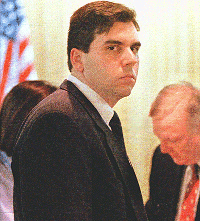
David Smith, the author of the e-mail virus known as Melissa, which swamped computers around the world, spreading like a malicious chain letter. He was facing nearly 40 years in jail . About 63,000 viruses have rolled through the Internet, causing an estimated $65 billion in damage, but Smith is the only person to go to federal prison in the United States for sending one.


Mark Abene

Abene (born 1972), better known by his pseudonym Phiber Optik, is a computer security hacker from New York City. Phiber Optik was once a member of the Hacker Groups Legion of Doom and Masters of Deception. In 1994, he served a one-year prison sentence for conspiracy and unauthorized access to computer and telephone systems.

Phiber Optik was a high-profile hacker in the early 1990s, appearing in The New York Times, Harper’s, Esquire, in debates and on television. Phiber Optik is an important figure in the 1995 non-fiction book Masters of Deception — The Gang that Ruled Cyberspace

Onel A. de Guzman
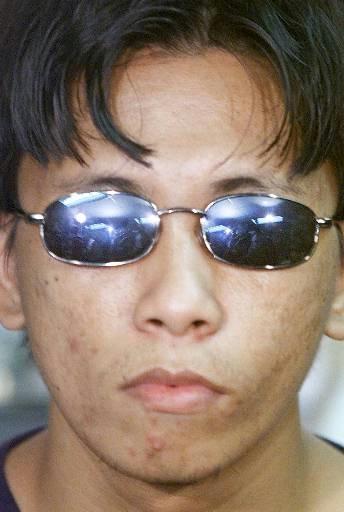
 
el A. de Guzman, a Filipino computer student, Greatest Hacker of all time. He was creator of "Love Bug" virus that crippled computer e-mail systems worldwide.

Chen Ing-hau
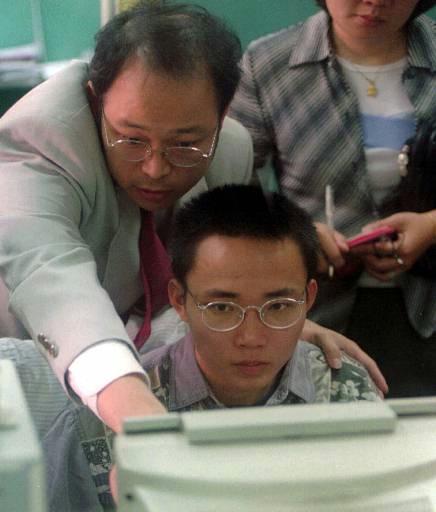
 He was the creator of one of the deadly virus of all time "Chernobyl computer virus " which had melted down many computers worldwide.

Mudge
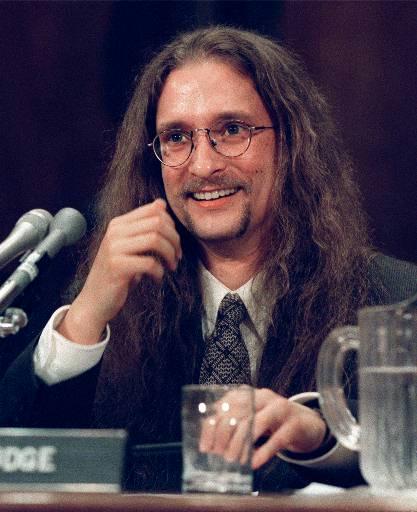
 "Mudge" along with fellow hackers told the committee that computer security is so lax, they could disable the entire Internet in a half-hour.

Tsutomu Shimomura
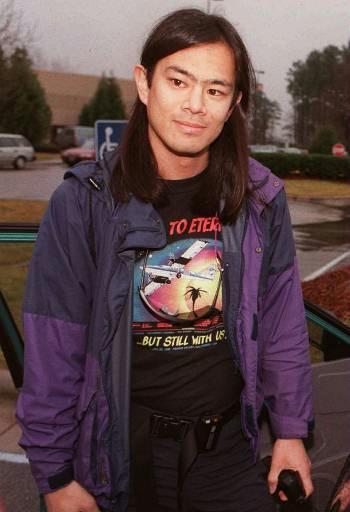
 
One of the world's top computer security experts. Shimomura helped Federal officials track down and arrest computer hacker Kevin Mitnickin Raleigh Feb. 15, 1995 in connection with a break-in on Shimomura's computer.

Jon Lech Johansen
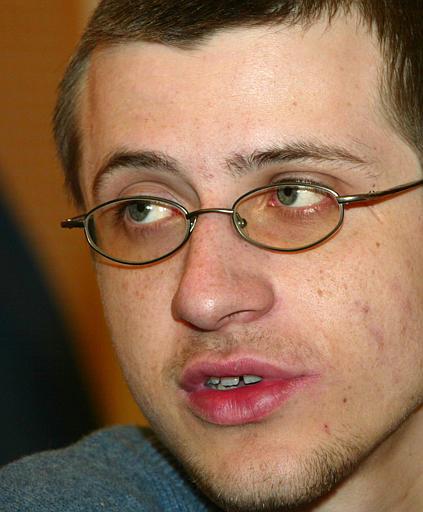
Johansen, who became a hero to computer hackers and was deemed a villain by Hollywood, is on trial for writing and distributing a program called DeCSS, software which makes it possible to copy protected DVD films. Prosecutors have asked to have his computers confiscated and called for him to pay $1,400 in court costs.

Dmitry Sklyarov
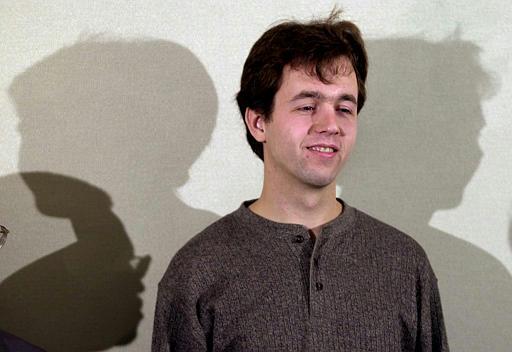
 Russian computer programmer who was charged with violating copyrights, Sklyarov was jailed after developing software that allows the user to circumvent the copyright protections in Adobe Systems eBook reader program.

Dennis Moran
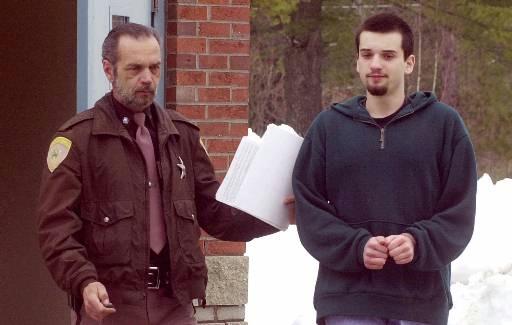
 Moran, known on the Web as "Coolio," pleaded guilty to hacking into national computer sites last year belonging to the Army, the Air Force and the anti-drug Dare.com.

Famous Three Master Hackers
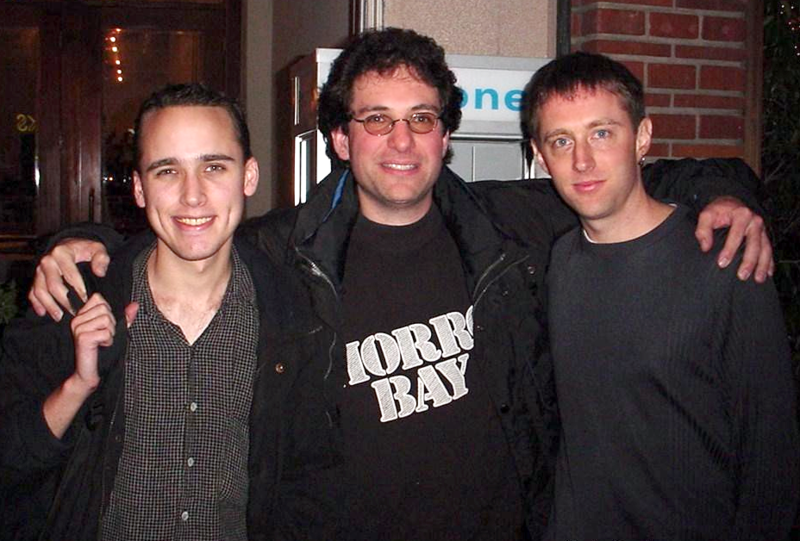


Some Grand Famous Hackers of Life Time:

Richard Stallman

 He was the founder of GNU Projects. Stallman, who prefers to be called rms, got his start hacking at MIT. He worked as a "staff hacker" on the Emacs project and others. He was a critic of restricted computer access in the lab. When a password system was installed, Stallman broke it down, resetting passwords to null strings, then sent users messages informing them of the removal of the password system.


Linus Torvalds
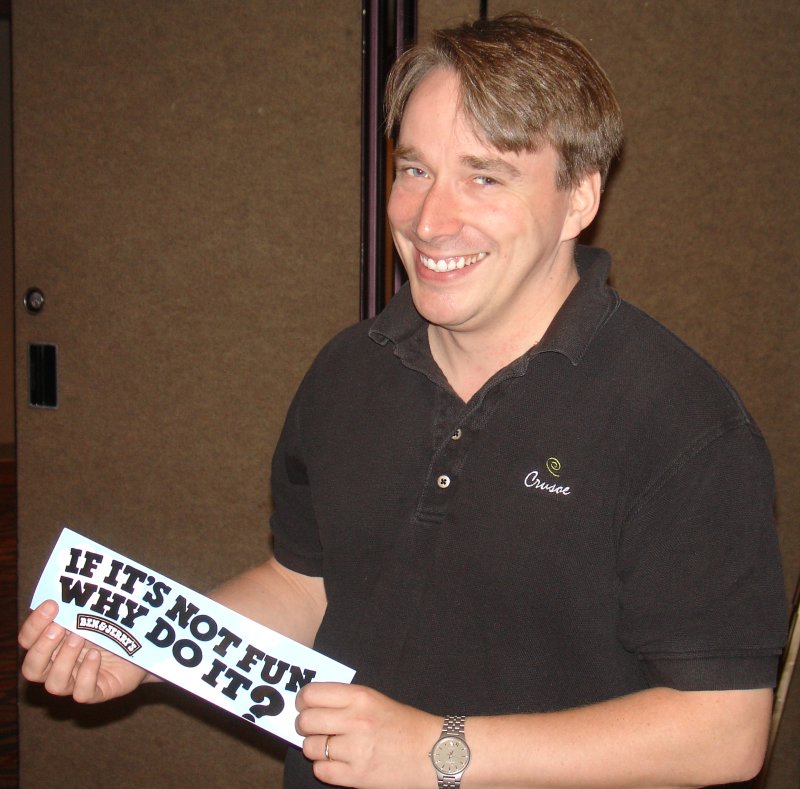
Father of Linux is a good hacker of all time.


Stephen Wozniak
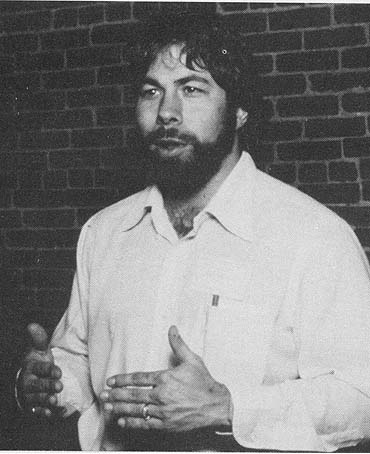
"Woz" is famous for being the "other Steve" of Apple. Wozniak, along with current Apple CEO Steve Jobs, co-founded Apple Computer. Woz got his start in hacking making blue boxes, devices that bypass telephone-switching mechanisms to make free long-distance calls. After reading an article about phone phreaking in Esquire, Wozniak called up his buddy Jobs. The pair did research on frequencies, then built and sold blue boxes to their classmates in college. Wozniak even used a blue box to call the Pope while pretending to be Henry Kissinger.

The Most Memorable Hacks of All Time

                        The Most Memorable Hacks of All Time
Hackers and computer technology have been a source of cultural obsession since the late 1980s (from the 1995 film Hackers to the most recent incarnation of the Disney Tron films). Still, sometimes not even the most illustrative fiction can compare to what real hackers have pulled off in their time. For your reading pleasure, we’ve compiled a list of the most memorable hacks in history:

Operation: Payback

Operation Payback — the most recent of memorable hacks — was part of a group called Anonymous’ plan to avenge Julian Assange, Editor-in-Chief of controversial Whistleblower site WikiLeaks. A number of sites — including Amazon, Visa and Mastercard — had either stopped hosting the WikiLeaks documents or prohibited donations to the organization in the last half of 2010. Hackers carried out DDoS attacks (Distributed Denial of Service attacks — basically, overwhelming a system with communications requests) on Paypal, PostFinance, EveryDNS, and Amazon, among others — and successfully knocked the Visa and Mastercard websites offline.

Melissa Virus

The Melissa Virus was a mass-mail computer “macro” virus. Melissa was spread in 1999 through e-mail clients like Microsoft Outlook, and was distributed first via a Usenet group. (It also infected Microsoft Word versions ’97 and 2000).Microsoft and Intel had to eventually shut down their e-mail systems, because replicated messages were clogging up and overwhelming servers. (The virus deleted files before sending itself to other e-mail addresses in the computer.) It was written by David Smith from Aberdeen, New Jersey, who named his creation after a lap dancer. Smith was eventually fined $5000 and sentenced to 10 years in prison, but had his time reduced after cooperating with the police in locating and identifying other hackers.

ILOVEYOU Virus

The 2000 ILOVEYOU virus was an e-mail attachment written in Visual Basic code — and disguised as a love letter. Once opened, the virus would attack the computer by overriding/hiding files and sending a copy of the file to everyone in that person’s Microsoft Outlook address database. It began in the Phillipines, then spread to Hong Kong and Europe, reaching the United States in less than a day. In total, it infected 10 million computers and inflicted at least $5 billion worth of damage. It affected major banks, web companies, and especially multimedia companies, since it targeted files with .jpg and .mp3 extensions. The culprit? Student Onel de Guzman, who proposed the virus as his “thesis project.” The genius of the virus was simple human psychology — who would resist opening a love letter, after all?

Morris Worm

This 1998 Morris worm is the first ever internet worm — and it was written by Cornell University doctoral candidate Robert Morris in November of 1988. The worm disabled 10% of all Internet-connected machines, which at the time was estimated to be about 60,000 machines. The worm was a self-replicating program that was designed originally for research — not to harm — but, within hours of its release, forced administrators to disconnect their computers from the internet to keep the worm from spreading. Each individual worm infected a computer many times, overwriting files…..Morris was convicted for his research, but didn’t serve time.

Kevin Poulsen

In 1990, Kevin Poulsen hacked LA radio station KIIS-FM’s phone lines to ensure that he was 102nd caller in a contest where the prize was a brand new Porsche. How did he do it? Taking control of the entire phone network. Poulsen later went on to hack a federal investigation database, and was arrested in a supermarket by the FBI. He served five years, and later re-emerged as a journalist — most notably, as a senior editor for Wired News.

AOHell

AOHell was a project started by hacker Da Chronic after he tired of AOL’s unwarranted attacks on the “Hackers Room” chatroom. AOHell is a multi-user hacking agent — the first of its kind — that basically simplified “hacking” for the masses. Users could generate fake, fully-functional AOL accounts for about a month, as well as fake addresses, phone numbers, and credit card numbers. (The account was usually disabled when AOL billed it and discovered the credit card number was invalid.) AOHell gave uses the ability to send IM codes that forced people to sign off, automatic IM/chatroom responses, and mail bombs (which would fill up the receiver’s inbox until it was full.) The program was last compatible with AOL v. 2.5.